


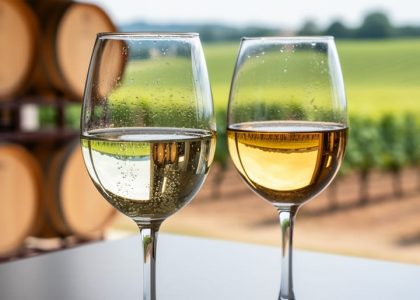
Acidity in wine refers to the crisp, tart sensation you feel on the sides of your tongue, produced by naturally occurring acids like tartaric, malic, and citric that come from the grapes themselves. It’s one of the fundamental building blocks of every wine you pour, working alongside tannins, sweetness, and alcohol to create structure and balance in the glass.
Without acidity, wine would taste flat and flabby, like orange juice left out overnight. Think of it as the spine that holds everything together. High-acid wines wake up your palate with bright, refreshing qualities that make you want another sip. Low-acid wines feel …
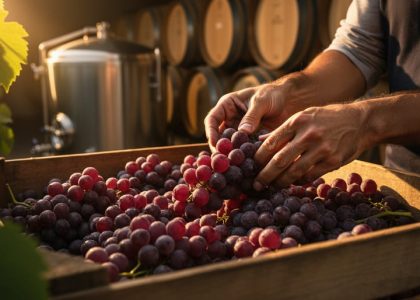
A boutique winemaker is a small-scale, quality-focused producer who crafts wine in limited quantities, typically emphasizing hands-on techniques, terroir expression, and distinctive character over mass-market appeal. These artisans usually produce fewer than 10,000 cases annually, often working with estate-grown or carefully sourced grapes to create wines that reflect a personal vision and a specific sense of place.
Why should you care? Because boutique winemakers are reshaping what’s possible in your glass. While commercial wineries prioritize consistency and volume, boutique producers chase authenticity. They’re the …
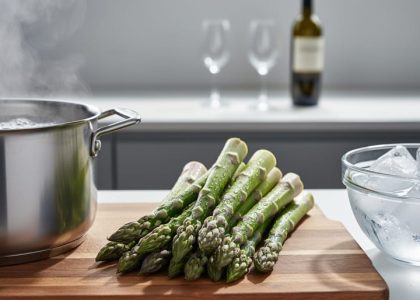
Preparing asparagus for cooking takes just a few minutes and involves three essential steps: trimming the woody ends, optionally peeling thick stalks, and blanching briefly in salted boiling water. The reward is asparagus that’s crisp-tender and vibrant, ready to complement everything from a light Sauvignon Blanc to a rich Chardonnay at your table. Most home cooks skip peeling entirely if their asparagus is fresh, focusing instead on a clean trim and a quick blanch that preserves the spear’s natural snap.
The key to success lies in timing. Thinner stalks need just 30 seconds to one minute in boiling water, while thicker …
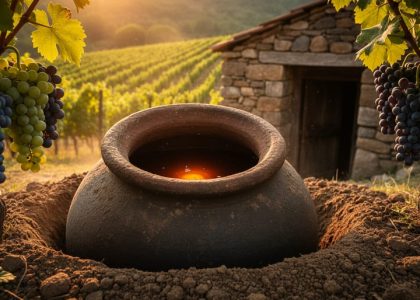
Wine history stretches back over 8,000 years, beginning in the Caucasus region of modern-day Georgia and Armenia before spreading through ancient Mesopotamia, Egypt, Greece, and Rome to become one of humanity’s most enduring cultural touchstones. Understanding this remarkable journey reveals not just how wine evolved from a simple fermented grape beverage into the complex drink we know today, but why certain regions became legendary, how winemaking techniques were refined across millennia, and what historical forces shaped the bottles you enjoy in 2026.
The story of wine is really the story of civilization itself. Ancient …
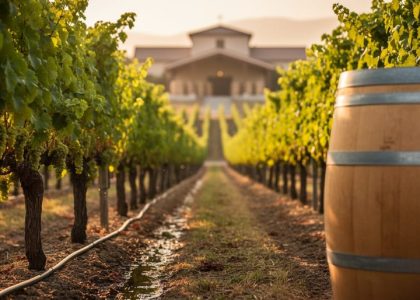
Wine sustainability refers to growing grapes and producing wine in ways that protect the environment, support communities, and remain economically viable for the long term. It encompasses everything from soil health and water conservation in the vineyard to energy use in the cellar, fair labor practices, and packaging choices that minimize carbon footprint.
Key Takeaway: Sustainable wine isn’t a niche category anymore. It represents a fundamental shift in how vineyards operate, directly affecting the quality of wine in your glass and the health of wine regions for generations to come….


