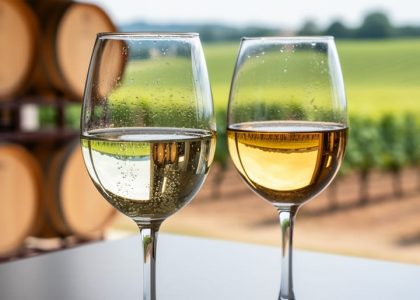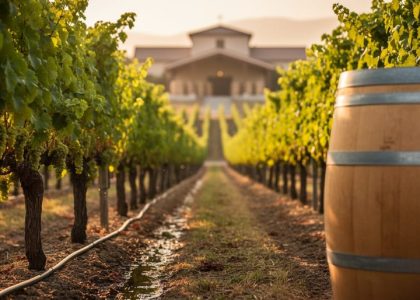

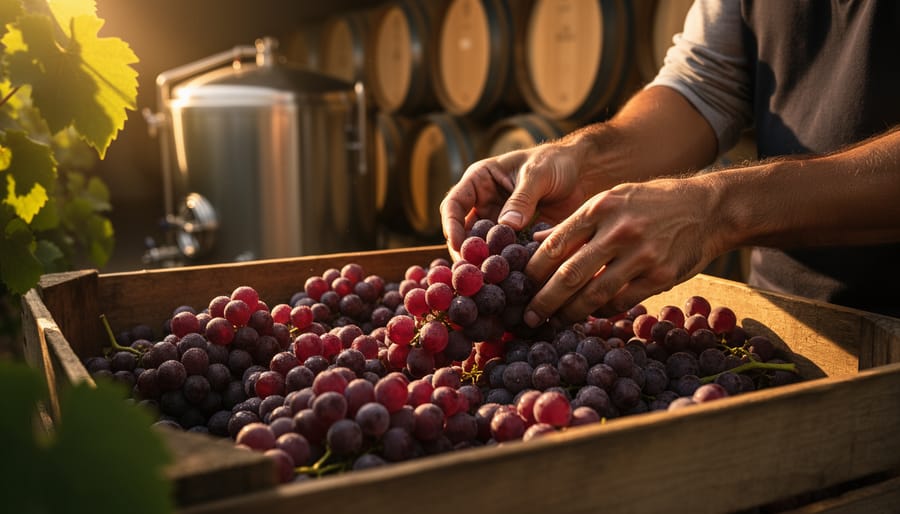
A boutique winemaker is a small-scale, quality-focused producer who crafts wine in limited quantities, typically emphasizing hands-on techniques, terroir expression, and distinctive character over mass-market appeal. These artisans usually produce fewer than 10,000 cases annually, often working with estate-grown or carefully sourced grapes to create wines that reflect a personal vision and a specific sense of place.
Why should you care? Because boutique winemakers are reshaping what’s possible in your glass. While commercial wineries prioritize consistency and volume, boutique producers chase authenticity. They’re the ones fermenting with wild yeasts, hand-sorting every cluster, and making choices in the cellar that larger operations simply can’t afford to make. The result is wines with soul, wines that tell stories, wines that can surprise you.
Throughout wine history the most memorable bottles have often come from small producers willing to take risks. Boutique winemakers carry that tradition forward today, experimenting with forgotten varietals, reviving old-vine vineyards, and challenging the dominance of factory-scale production.
This article breaks down exactly what sets boutique winemakers apart from their commercial counterparts. You’ll learn how they operate differently, from vineyard management to cellar practices. We’ll explore the various types of boutique producers you’ll encounter, from garage winemakers to family estates. And we’ll show you how to find, evaluate, and appreciate these special wines, whether you’re building a collection or simply looking for something more interesting than the usual grocery store lineup.
Understanding boutique winemakers gives you access to a world of wine that values craft over convenience and character over conformity.
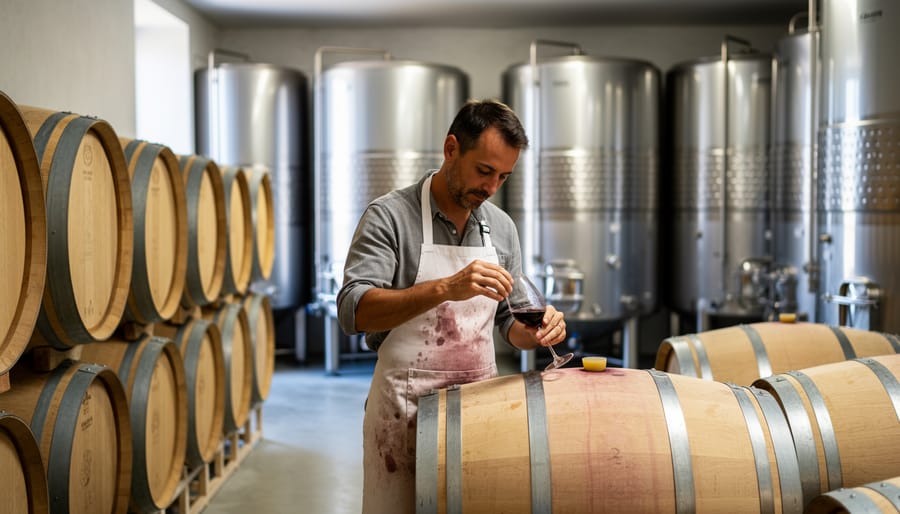
The line between boutique and commercial winemaking isn’t defined by a single metric, but by a cluster of choices that fundamentally change how wine gets made. While large producers chase consistency across tens of thousands of cases, boutique winemakers operate in a different world entirely.
Production scale tells the story most clearly. Boutique producers typically make fewer than 5,000 cases annually, with many hovering around 1,000 cases or less. This isn’t arbitrary restraint. Small volumes allow one person or a tiny team to maintain direct control over every barrel, every fermentation tank, every decision point from grape to bottle. When you’re responsible for forty barrels instead of four hundred, you can taste each one weekly, adjust individually, and catch problems before they spread.
Several defining traits separate boutique winemakers from their commercial counterparts:
This hands-on reality shapes everything. Boutique winemakers walk their vineyards regularly, noticing which blocks ripen differently, where the soil changes, which rows need extra attention. They’re the ones testing sugar levels at dawn, deciding harvest timing based on how a handful of berries taste rather than hitting predetermined numbers. During fermentation, they’re in the cellar monitoring temperature swings, smelling for off-notes, adjusting punch-down schedules barrel by barrel.
The quality-over-quantity philosophy shows up in vineyard management. Boutique producers routinely drop fruit, cutting away perfectly good grape clusters to limit yields and concentrate flavors in what remains. A commercial vineyard might produce five tons per acre, while a boutique grower intentionally holds theirs to two or three. That’s money literally left on the ground.
Terroir expression becomes possible at this scale. When you work the same small parcels year after year, you learn their personalities. You discover that the southeast corner always ripens first, that the hilltop vines make more structured wine, that certain rows show mineral character while others lean floral. Boutique winemakers craft wines that reflect these distinctions rather than blending them away for consistency. The goal isn’t making the same wine each vintage, but honestly representing what that place gave in that particular year.
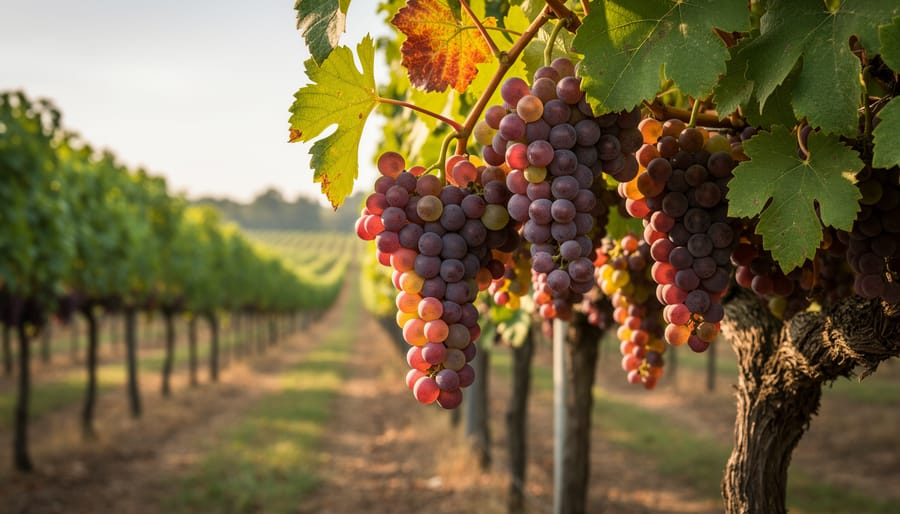
A boutique winemaker’s year unfolds in the vineyard long before grapes reach the cellar. Unlike commercial operations where vineyard managers handle the vines, boutique producers walk their rows daily, checking soil moisture, leaf health, and fruit development firsthand. This intimate knowledge guides every decision from bud break through harvest.
Site selection marks the foundation of their approach. Many boutique winemakers spend years evaluating microclimates, testing soil composition, and experimenting with varieties before planting their first vine. Once established, they practice sustainable viticulture techniques tailored to their specific site, adjusting canopy density to balance sun exposure with shade, timing leaf pulls to prevent disease while protecting fruit from sunburn, and determining irrigation needs based on vine stress signals rather than fixed schedules.
Harvest timing becomes deeply personal. Rather than scheduling picks weeks in advance based on sugar levels alone, boutique winemakers taste grapes daily as ripeness approaches, evaluating seed maturity and flavor development. Some harvest in the cool morning hours themselves, sorting fruit at the vine and discarding anything that doesn’t meet their standards.
In the cellar, this hands-on intensity continues. Fermentation monitoring means checking temperatures multiple times daily, tasting fermenting juice to track progression, and making real-time adjustments. They’ll punch down cap by hand rather than using automated systems, giving them tactile feedback about extraction. Each barrel receives individual attention during aging, some winemakers taste through their entire cellar weekly, tracking how different lots evolve and deciding which barrels merit further aging versus early bottling.
This direct involvement at every stage distinguishes boutique production from industrial winemaking, where automation and delegation replace personal touch.
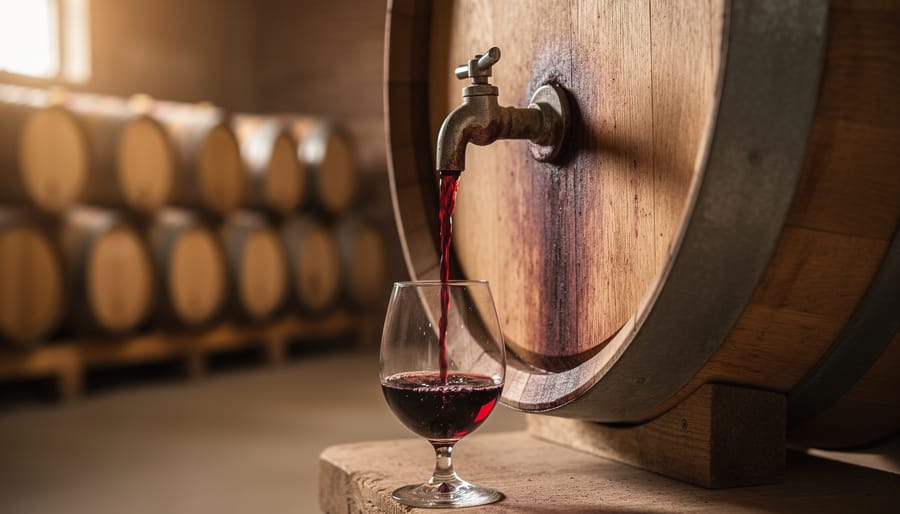
Every boutique winemaker faces pivotal choices that transform grapes into a wine with distinct personality. The decision to rely on wild, ambient yeasts or introduce cultured strains fundamentally shapes fermentation character, wild yeasts often produce more complex, unpredictable aromatics that reflect terroir, while cultured yeasts offer consistency and control. Some boutique producers embrace traditional methods precisely because they preserve these natural fermentation pathways.
Oak aging presents another defining crossroads. A winemaker might choose French oak for subtle spice and tannin integration, American oak for pronounced vanilla and coconut notes, or forgo oak entirely to showcase pure fruit expression. The vessel size matters too: small barrels impart more oak influence quickly, while large casks or concrete eggs allow slow oxygen exchange with minimal oak flavor. Aging duration can range from months to years, each increment adding texture and complexity.
Blending decisions reveal winemaker vision most clearly. Some producers bottle single-vineyard, single-variety wines to showcase site specificity, while others blend parcels or varieties to achieve balance and completeness. Bottling timing closes the creative loop: early bottling preserves freshness and vibrancy, while extended aging before release develops tertiary complexity. Each choice carries trade-offs that boutique winemakers weigh against their ultimate vision for the wine.
Boutique winemakers aren’t a monolithic group. They operate under different models, each with its own philosophy and approach to crafting small-batch wines.
Estate winemakers represent the most traditional boutique model. They own their vineyards and control every step from soil to bottle. This complete ownership allows them to shape terroir expression from the ground up, making decisions about vine spacing, rootstock selection, and canopy management years before grapes ever reach the cellar. Estate producers often develop deep knowledge of specific sites over decades, understanding how individual blocks respond to vintage variation. Their wines carry a singular sense of place because the same hands that prune the vines also guide fermentation.
Négociant-style boutique producers take a different path. Rather than owning vineyards, they build relationships with growers whose sites and farming practices align with their winemaking vision. This model allows talented winemakers to access exceptional fruit without the capital required to purchase land. The best négociant producers work closely with their growers, often specifying harvest dates and farming methods. They curate rather than cultivate, selecting parcels that express particular characteristics they want to capture in the cellar.
Natural wine specialists form a distinct category defined by minimal intervention philosophy. These winemakers typically avoid commercial yeasts, added sulfites, fining agents, and filtration. They believe that hands-off techniques allow grapes and terroir to speak most honestly, though their wines can be unpredictable and polarizing. Natural winemakers often embrace cloudiness, unusual aromatics, and flavors that challenge conventional wine expectations.
Garage winemakers push boutique production to its extreme. The term originated in Bordeaux, where ambitious winemakers literally produced tiny quantities in garages or spare rooms using borrowed equipment. Today, it describes ultra-small producers making cult wines from meticulously sourced fruit, often fewer than 500 cases annually. Garage winemakers typically focus obsessively on quality rather than consistency, sometimes producing wine only in exceptional vintages.
Each type brings something different to the wine landscape. Estate producers offer continuity and terroir expression. Négociants provide access to diverse sites under a unified vision. Natural winemakers challenge conventions. Garage producers pursue perfection at any scale. Understanding these distinctions helps you appreciate what’s in your glass and what drove the person who made it.
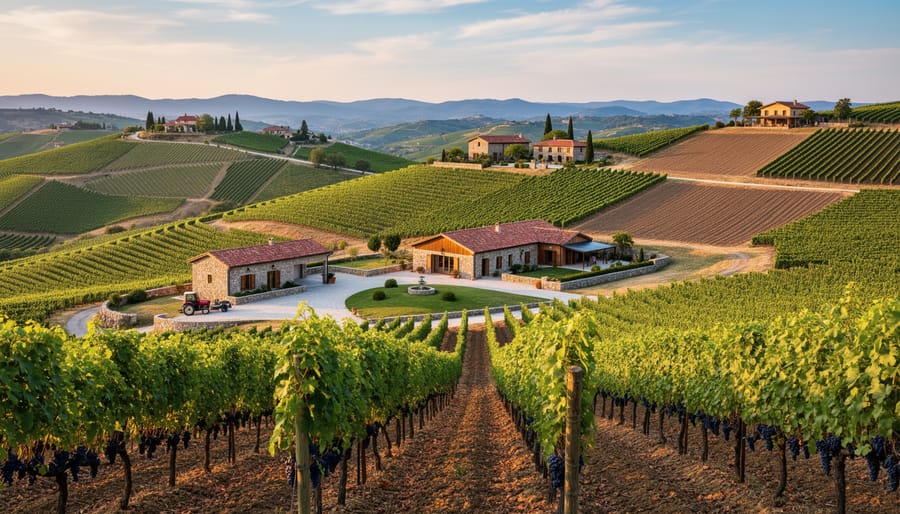
Boutique winemakers flourish in three distinct environments, each offering unique opportunities for small-scale, quality-focused production.
Emerging wine regions provide fertile ground for boutique producers willing to take risks. Places like the Willamette Valley in Oregon, Margaret River in Western Australia, and the Swartland in South Africa have been shaped largely by pioneering boutique winemakers who saw potential in undervalued terroir. These regions typically offer lower land costs and fewer entrenched industrial players, allowing small producers to experiment with varieties and techniques that might seem too risky in established areas. The Finger Lakes region of New York transformed from a backwater known mainly for sweet wines into a world-class Riesling destination thanks almost entirely to boutique winemakers who believed in the region’s cool-climate potential.
Established wine regions experiencing quality renaissance also attract boutique producers. In areas like Priorat, Spain, or Barolo, Italy, small winemakers have revitalized traditional appellations by returning to forgotten vineyard sites, rescuing old vines, and applying modern precision to centuries-old methods. These producers often work with parcels that larger wineries overlooked or abandoned, proving that careful, hands-on farming can coax extraordinary wines from challenging sites.
Niche appellations and microclimates represent the third sweet spot for boutique winemakers. Small AVAs within California’s Central Coast, specific communes in Burgundy, or individual hillsides in Germany’s Mosel allow producers to showcase distinctive terroir that would disappear in larger blends. Boutique winemakers thrive here because they can give each site the individual attention it requires and market wines based on their unique origin story rather than competing on volume or price.
The common thread across all these contexts is freedom to prioritize place and quality over production scale.
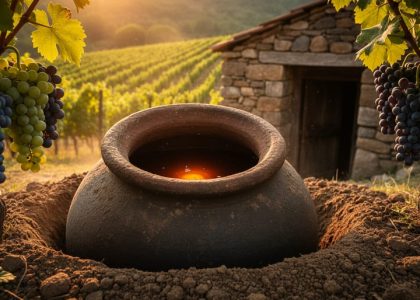
Boutique winemakers give you access to wines that simply cannot exist within industrial production. When a producer makes 500 cases instead of 50,000, they can take risks that large wineries avoid: fermenting grapes from a single exceptional vineyard row, aging in amphora instead of standardized oak, or reviving a nearly extinct local variety that doesn’t fit market trends. These wines tell stories that homogenized commercial bottlings cannot.
The significance extends beyond novelty. Boutique producers act as custodians of winemaking heritage, preserving techniques and grape varieties that would otherwise disappear. In regions like Switzerland’s Alpine valleys, small winemakers maintain centuries-old terraced vineyards planted to indigenous grapes that commercial producers abandoned decades ago. In Georgia’s Kakheti region, boutique winemakers have revitalized qvevri fermentation methods using traditional clay vessels, methods that mainstream production had nearly eliminated. This preservation work connects modern wine lovers directly to historical wine culture.
For wine enthusiasts, boutique winemakers offer several distinct advantages:
These producers also drive regional identity and quality evolution. When boutique winemakers in Oregon’s Willamette Valley began focusing on single-vineyard Pinot Noir in the 1980s, they established the region’s reputation for terroir-driven wines that larger producers later followed. Similarly, small winemakers in Spain’s Priorat transformed a forgotten region into one of the country’s most prestigious appellations by demonstrating what old-vine Garnacha and Cariñena could achieve with meticulous viticulture.
The practical value for you as a wine lover comes down to diversity and discovery. Boutique wines expand your palate beyond the dozen grape varieties that dominate supermarket shelves, offering genuine alternatives to mass-produced sameness. Each bottle represents a specific place, vintage conditions, and winemaker vision, not a committee-designed product engineered for broad appeal.
Finding boutique wines requires a different approach than shopping for mainstream labels at your local supermarket. The most reliable source is buying directly from the winery, many boutique producers rely on mailing lists and tasting room sales as their primary distribution channels. Sign up for their newsletters or wine clubs to get first access to new releases, which often sell out quickly.
Specialty wine shops with knowledgeable staff can be invaluable partners in discovering boutique producers. These retailers typically have direct relationships with small winemakers and can guide you toward styles that match your preferences. Ask about new arrivals from small producers and be open to trying unfamiliar regions or varieties, boutique winemakers often work with lesser-known grapes that don’t fit the commercial mold.
When evaluating small-production wines, look beyond the label’s marketing language. Check for specific vineyard designations, vintage details, and production information. Boutique winemakers typically include more transparency about their methods on the back label. If you’re cooking and run short of wine, remember that white wine substitutes work fine in the kitchen, save your boutique bottles for drinking.
Expect to pay $25-75 per bottle for most boutique wines, though prices vary widely based on region and reputation. The higher cost reflects smaller production volumes and hands-on labor rather than marketing budgets.
Purchase directly from winery websites and tasting rooms, through specialized wine clubs, or from independent wine shops with curated selections. Large retail chains rarely stock truly small-production wines.
Look for production numbers under 5,000 cases annually, single-vineyard or estate-grown designations, and direct involvement of the named winemaker. Corporate-owned “boutique” brands often use the terminology for marketing without the hands-on reality.
Building relationships with boutique producers pays off over time. Attend tasting events, visit the winery when possible, and engage genuinely with the winemaker’s story. Many small producers allocate their best or most limited wines to loyal customers who’ve shown consistent interest. Be prepared for variability between vintages, this reflects authentic winemaking responding to natural conditions rather than engineered consistency.